

The History of Terrariums: From Wardian Cases to Modern Mini Gardens
Terrariums may feel like a modern interior trend, but their roots go back nearly 200 years. Long before urban apartments and social media, people were already growing plants in glass, fascinated by the idea of creating small, self-sustaining worlds indoors.
Understanding where terrariums come from explains why they work so well—and why they’ve never truly disappeared.
What a Terrarium Really Is
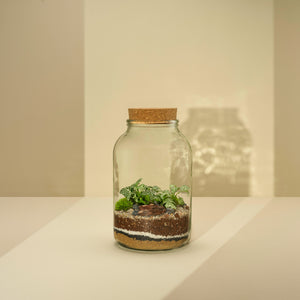
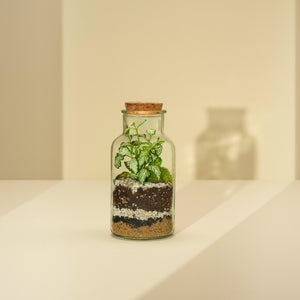
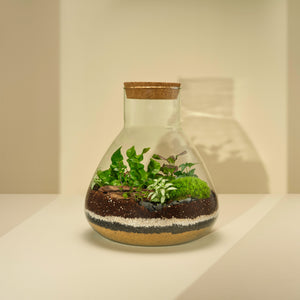
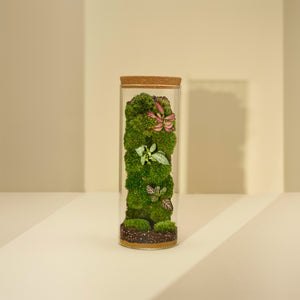
A terrarium is a glass container that hosts a controlled plant ecosystem. Unlike a regular pot, a terrarium relies on balance rather than constant care. In closed terrariums, water evaporates, condenses on the glass, and returns to the soil, forming a miniature water cycle. Open terrariums allow more airflow and suit plants that prefer drier conditions.
At their core, terrariums aren’t decorations. They’re functioning ecosystems.

Wardian Case: Where It All Began
The modern terrarium traces back to 1830s England and Dr. Nathaniel Bagshaw Ward. London’s polluted air made indoor plant growth nearly impossible, but Ward noticed something interesting: plants sealed in glass survived far better than those exposed to the open air.
This led to the invention of the Wardian case—a sealed glass box that maintained humidity and protected plants from pollution. Its impact went far beyond homes. Wardian cases made it possible to transport live plants across oceans, transforming global botany and plant trade. Many plants we consider common today only spread worldwide because they could survive long sea voyages inside glass.
In practical terms, the Wardian case was the first true terrarium.
Victorian Obsession With Nature Indoors
By the Victorian era, terrariums had moved from science into everyday life—at least for those who could afford them. Glass cases filled with ferns, mosses, and tropical plants became symbols of curiosity, craftsmanship, and status.
Victorians were obsessed with nature and exploration, especially plants from distant colonies. These terrariums weren’t disposable décor; they were carefully made, long-lasting living objects meant to be admired and maintained.

From Homes to Classrooms
As living conditions improved in the 20th century, the practical need for terrariums declined. They slowly disappeared from homes but survived in schools, labs, and botanical institutions.
There, terrariums became educational tools—used to teach ecosystems, photosynthesis, and natural balance. The focus shifted from aesthetics to learning, but the principle stayed the same: nature can sustain itself when the conditions are right.
The Modern Terrarium Comeback
Terrariums have returned because modern life created the same problems in a different form. Smaller apartments, busy schedules, and a lack of confidence with plant care made traditional houseplants harder to maintain.
Terrariums solve that cleanly. They take up little space, need minimal watering, thrive indoors, and offer a visible connection to nature. Today’s terrariums are simpler and more minimal than their Victorian ancestors—but the idea is unchanged.
They’re still small worlds under glass, built on a balance discovered nearly two centuries ago.
What started as a solution to pollution and long sea voyages has become a quiet reminder that nature doesn’t need constant interference—just the right environment.

If you want to experience this balance for yourself, explore our plant terrariums or join one of our terrarium workshops. You’ll create a living ecosystem that lasts—something you don’t just decorate with, but live with.